
Incorporating Multimedia in Teaching Resources: Inspire, Engage, and Deepen Learning

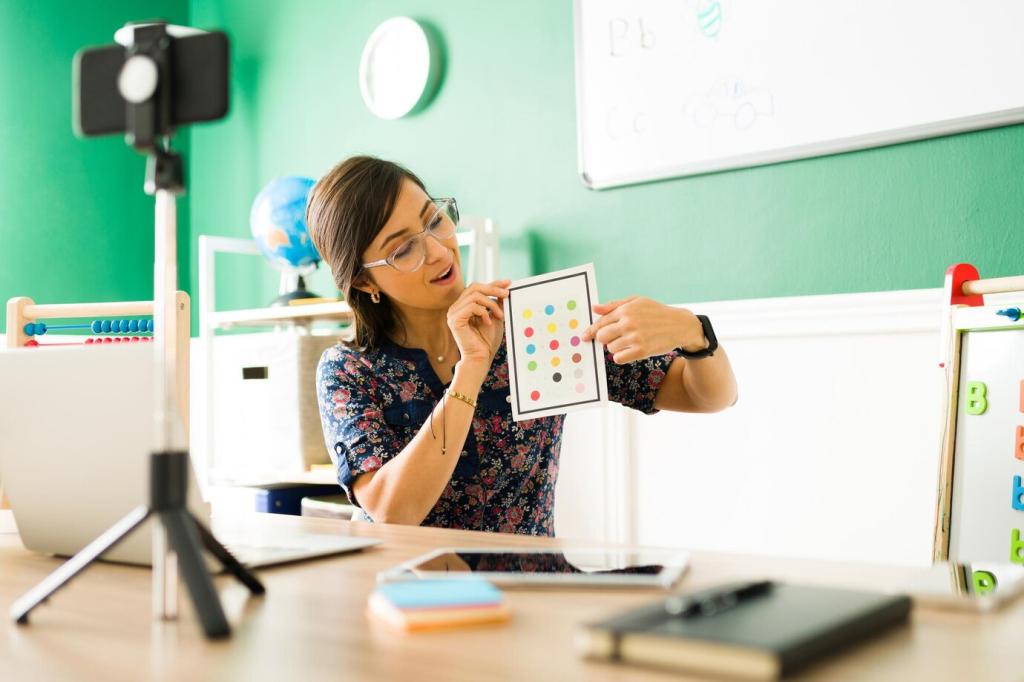
Chosen theme: Incorporating Multimedia in Teaching Resources. Welcome to a practical, story-rich guide for educators who want to make lessons more vivid, memorable, and inclusive. Dive in, borrow ideas, and share your experiences so we can grow a vibrant community of multimedia-savvy teachers.

Why Multimedia Elevates Learning

When words pair with complementary visuals or audio, learners process information through multiple channels, easing cognitive load and improving recall. Principles like coherence, signaling, and modality remind us to reduce clutter and guide attention. Share your go-to principle in the comments.

Why Multimedia Elevates Learning

A reserved ninth grader struggled to talk during discussions, yet flourished when narrating a short screencast over slides. Her voice steadied, her ideas blossomed, and peers applauded. That small multimedia shift multiplied confidence and comprehension. What similar transformation have you witnessed?

Why Multimedia Elevates Learning

Which concept finally clicked after you introduced a diagram, a short clip, or a narrated walkthrough? Add your story below, then subscribe to get weekly prompts that help you match the right medium to the right learning moment.

Planning Multimedia Lessons with Purpose

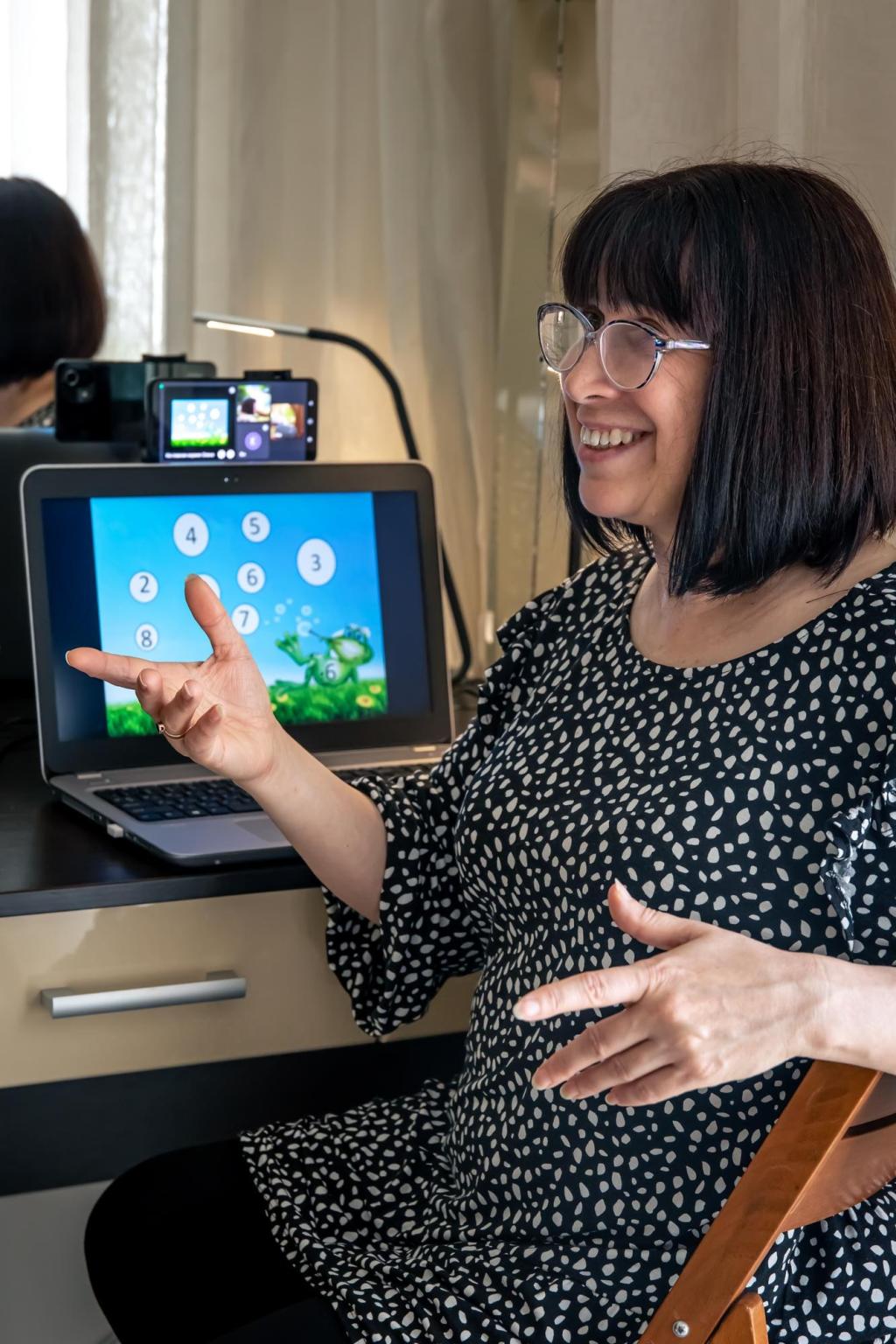
Sketch each learning step as boxes and arrows. Note where a diagram speaks faster than text or where narration can humanize a tricky idea. Storyboarding shrinks production anxiety and keeps the focus on pedagogy. Want a template? Subscribe to receive a printable guide.

Planning Multimedia Lessons with Purpose

Short, purposeful segments prevent overload and create breathing room for reflection. Think micro-lessons, each with a bite-sized goal, a quick example, and a prompt. Invite learners to pause and note questions. Which pacing strategy keeps your students engaged without rushing?

Video Creation Without Headaches

Use a smartphone or built-in webcam with natural light from a window. Keep shots steady, frame at eye level, and record in short takes. Simple edits and captions go a long way. What is your one-take tip that saves precious minutes?

Audio That Adds Warmth

Clear audio changes everything. A basic USB microphone or a quiet room dramatically boosts comprehension. Start with a short intro, smile while speaking, and cut background noise. Share the quietest space you have found for recording, even if it is a hallway corner.

Interactive Elements That Drive Thinking

Layer questions onto videos, add hotspots to images, and use branching choices to simulate decisions. Interactivity should prompt reflection, not distract. Begin with one interactive moment per lesson, then iterate. Tell us which interactive prompt sparked the liveliest discussion this term.

Accessibility and Inclusion First

Captioning and Transcripts

Captions support deaf and hard-of-hearing students, language learners, and anyone studying in noisy spaces. Provide transcripts for audio, and describe essential visuals in narration. What captioning workflow has worked for you, and how can we help streamline it further?

Visual Design That Welcomes

High-contrast colors, readable fonts, and uncluttered layouts support focus. Avoid text-heavy slides and flashing animations. Use headings and alt text so screen readers can navigate. Share a slide you redesigned to be cleaner, and tell us what changed for learners.

Multiple Pathways for Expression

Offer students choices: record a short explainer, create an annotated image, or write a reflective piece. Universal Design for Learning encourages flexible options without lowering rigor. What alternative product would showcase understanding in your subject this week?

Assessment and Feedback Through Multimedia

Short podcasts, screencasts, or photo essays reveal thinking in progress. Ask students to narrate decisions and highlight revisions. Authentic voice emerges when learners teach something back. Which prompt could invite your students to demonstrate reasoning rather than mere answers?

Assessment and Feedback Through Multimedia

Pause a video with a recall question, a misconception probe, or a reflection cue. Keep items brief, purposeful, and aligned to your goal. Data from these micro-checks guides next steps. How might you use a pause point to redirect tomorrow’s lesson?

Copyright, Fair Use, and Modeling Integrity

Explain licenses with simple scenarios and icons. Encourage students to search openly licensed images and audio, then record their choices. This demystifies permission and empowers creation. What is your favorite source for openly licensed classroom-friendly media?

Copyright, Fair Use, and Modeling Integrity

Keep a running credits slide, track links in a shared document, and teach learners to screenshot attribution. When it becomes habit, finishing touches are easy. Share a student-friendly citation template we can pass along to other teachers.

Low-Bandwidth and Offline-Friendly Strategies

Downloadable Packages and USB Kits

Bundle slides, audio files, and worksheets into a small folder students can download once or receive on a USB drive. Include a read-me with clear steps. Which formats have proven most compatible across your school’s devices?

Audio-First Lessons

When video is too heavy, pair a concise audio explanation with a printable visual. Audio is flexible, portable, and forgiving on bandwidth. What topic in your curriculum could become an engaging short audio lesson this month?

Printed Guides With Smart Bridges

Distribute a clean, step-by-step guide with still images and reflection prompts. Add optional QR codes linking to tiny videos for those with access. How might a printed scaffold support students who prefer tangible, distraction-free materials?

Sustaining Your Multimedia Practice

Small Experiments, Big Gains

Adopt a micro-goal, like adding one captioned clip per unit or one interactive pause per week. Celebrate impact, then iterate. What is one change you will test tomorrow that feels reasonable and meaningful?

Build a Reusable Media Library

Name files clearly, tag by topic and objective, and store originals plus compressed versions. Keep slides, images, and narration scripts ready for quick remixing. Which naming convention keeps your future self grateful rather than overwhelmed?

Community of Practice

Trade templates, share failures and fixes, and co-create rubrics with colleagues. A supportive circle accelerates learning and prevents burnout. Invite a peer to join our readership, and tell us which collaboration boosted your recent multimedia lesson.
Electronjaal
Privacy Overview

This website uses cookies so that we can provide you with the best user experience possible. Cookie information is stored in your browser and performs functions such as recognising you when you return to our website and helping our team to understand which sections of the website you find most interesting and useful.